If you’re organizing a sports event in India and want to attract brand partners, the first question you’ll face is deceptively simple: how much should I charge? Pricing a sports event sponsorship deal in India isn’t about picking a number out of thin air. It requires a structured approach that accounts for audience demographics, broadcast reach, digital assets, and long-term partnership value. With India’s sports sponsorship spending reaching ₹7,421 Cr (~$883 Mn) in 2024 (Source: GroupM Sporting Nation 2024), the opportunity is real — but only for those who package it right.
Whether you’re launching a state-level hockey league, a corporate marathon, or a franchise-based kabaddi tournament, this guide walks you through the exact frameworks, pricing models, and packaging strategies used by India’s top sports properties. At Global Sports Konnect (GSK), we’ve built sponsorship structures from scratch for properties like the Chhattisgarh Hockey League (CHL) 2026 — and we’re sharing what works.
Table of Contents
- Why Sports Sponsorship Pricing in India Needs a Framework
- The Six Valuation Drivers Behind Every Sponsorship Deal
- A Tiered Sponsorship Packaging Model You Can Use Today
- Sponsorship Pricing Benchmarks: What Indian Sports Properties Charge
- How to Build a Sponsorship Proposal That Converts
- Common Pricing Mistakes to Avoid
- ROI Measurement: The Key to Long-Term Sponsorship Partnerships
- FAQ: Sports Event Sponsorship Deals in India
1. Why Sports Sponsorship Pricing in India Needs a Framework
India’s sports sponsorship ecosystem has matured significantly. What was once a handshake-and-logo-placement business is now a data-driven discipline. According to the GroupM Sporting Nation Report 2024, total sports industry spending in India crossed ₹16,633 Cr, with athlete endorsements alone surging 32% to ₹1,224 Cr — the highest growth in 14 years.
Yet many event organizers still price sponsorships based on gut feeling rather than structured valuation. The result? Either deals are undervalued (leaving money on the table) or overpriced (scaring away potential partners). A pricing framework solves both problems by anchoring every number in real audience data, comparable benchmarks, and clearly defined deliverables.
The good news: non-cricket sponsorships are booming. Emerging sports sponsorships reached ₹2,461 Cr in 2024, a 19% increase year-on-year (Source: GroupM). For organizers of hockey leagues, kabaddi tournaments, football events, and multi-sport properties, the window of opportunity has never been wider. Working with an experienced sports sponsorship consulting partner can help you capitalize on this momentum from day one.
2. The Six Valuation Drivers Behind Every Sports Event Sponsorship Deal in India
Before you assign any price tag, you need to understand what brands are actually paying for. A sponsorship deal’s value is determined by six core drivers:
2.1 Audience Reach and Demographics
How many people will see the brand’s presence? This includes stadium attendance, broadcast viewership (TV + OTT), and digital/social media impressions. A property reaching 5 million viewers on Doordarshan and 2 million on YouTube is worth more than one with 500 stadium attendees alone. Equally important is who those viewers are — age, income level, geography, and purchasing behaviour all affect how a brand values your audience.
2.2 Broadcast and Media Value
Media rights now account for 43.33% of total spectator sports market revenue in India (2024). If your event has a broadcast deal — even on DD Sports or YouTube Live — sponsorship value increases significantly. Calculate the equivalent advertising value (EAV) of logo placements during broadcasts to justify your pricing.
2.3 Brand Exclusivity and Category Rights
Category exclusivity — being the only beverage brand, the only automobile partner, or the only financial services sponsor — commands a premium. The more defined and protected the category, the more a brand will pay. This is a critical element of sponsorship packaging that many first-time organizers overlook.
2.4 On-Ground Activation Opportunities
Stadium branding, fan zone activations, product sampling, VIP hospitality, and experiential marketing spaces all add tangible value. Brands today want more than a logo on a banner — they want to create experiences. Properties that offer well-designed activation spaces can charge 15–25% more than those offering passive branding alone.
2.5 Digital and Content Rights
Digital sports advertising in India surged 25% year-on-year to ₹3,588 Cr in 2024 (Source: GroupM). Brands now value behind-the-scenes content access, co-branded social media posts, athlete meet-and-greet videos, and sponsor-integrated match highlights. If your event generates digital content, these rights are a separate — and increasingly valuable — asset. GSK’s sports analytics services can help you quantify this value with precision.
2.6 ROI Measurement and Reporting
Sponsors increasingly demand accountability. Properties that offer post-event ROI dashboards — tracking brand impressions, social mentions, website traffic driven, lead generation, and sales impact — justify higher pricing. According to industry research, 73% of marketers cite measurement complexity as a major challenge in sponsorship, so properties that solve this problem create a competitive advantage.
3. A Tiered Sponsorship Packaging Model You Can Use Today
The most successful sports properties in India — from the IPL to emerging state-level leagues — use a multi-tier sponsorship structure. Here’s a practical template you can adapt for your event. GSK used a similar model when designing the sponsorship framework for the Chhattisgarh Hockey League (CHL) 2026, India’s first professional state-level hockey league.
| Tier | Price Range | What the Sponsor Gets |
|---|---|---|
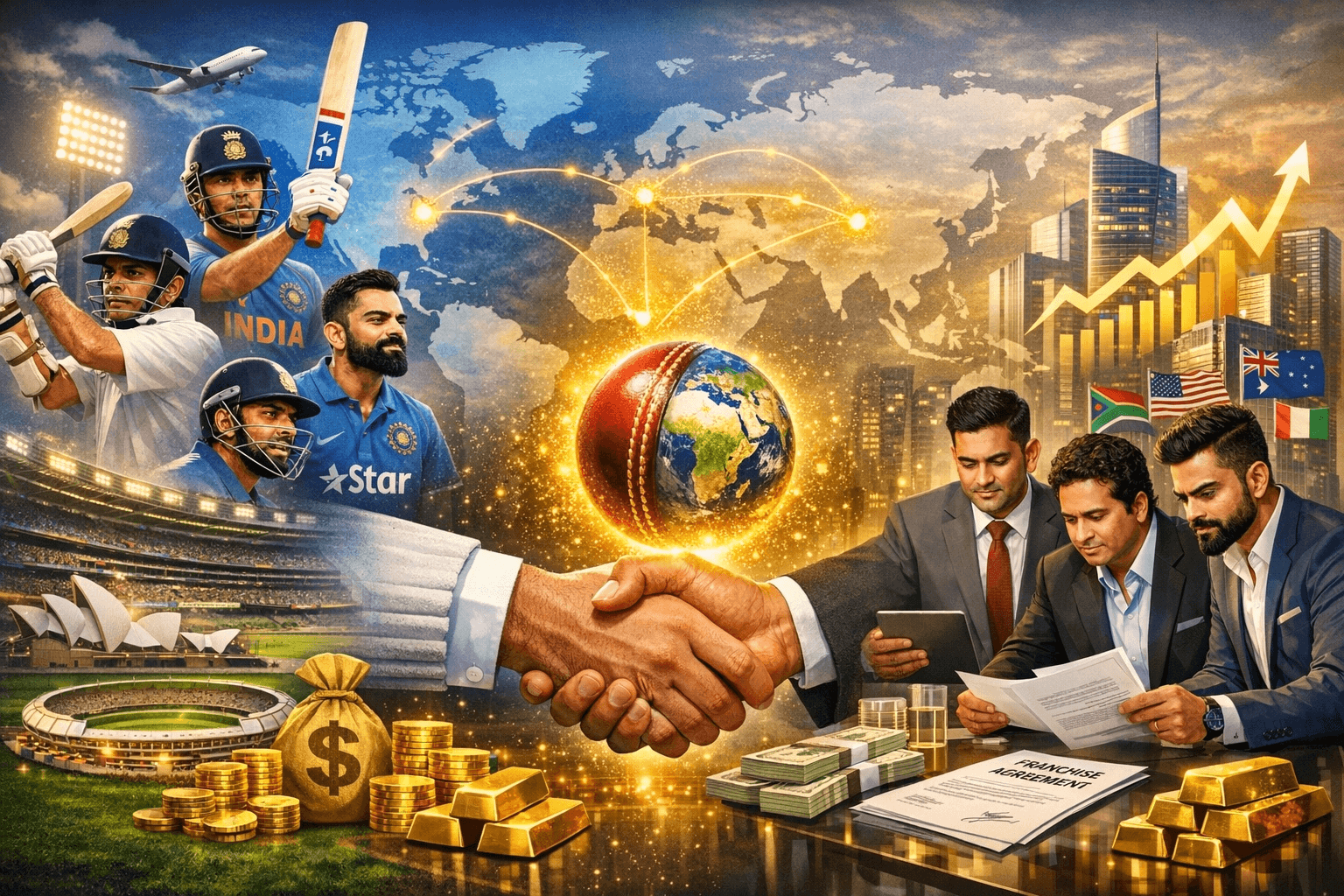
| Title Sponsor | ₹3–5 Cr (league) / ₹50L–1 Cr (event) | Naming rights (“Powered by [Brand]”), jersey front, stadium naming, broadcast logo integration, exclusive digital content, VIP hospitality, category exclusivity, post-event report |
| Associate Sponsor | ₹75L–1.5 Cr (league) / ₹15–40L (event) | Stadium perimeter branding, digital content rights, hospitality allocation (6–10 passes), social media mentions, co-branded event collateral, event-day activations |
| Official Partner | ₹25–50L (league) / ₹5–15L (event) | Category-specific title (“Official Beverage Partner”), on-ground branding, social media mentions, product sampling rights, logo on event marketing collateral |
| Team/Match Sponsor | ₹50L–1 Cr (league) / ₹3–10L (event) | Team jersey branding, team-specific digital content, matchday activations, player appearances, exclusive fan engagement opportunities |
Note: Pricing ranges above are indicative for mid-tier properties (state-level leagues, multi-day tournaments, and regional events). National leagues command significantly higher rates. For example, IPL title sponsorship runs at ₹500 Cr/year under the current Tata Group deal (2024–2028), while IPL franchise team sponsorships range from ₹30–75 Cr per season.
4. Sponsorship Pricing Benchmarks: What Indian Sports Properties Charge
Understanding what comparable properties charge is essential for setting realistic pricing. Here’s a snapshot of sponsorship pricing across Indian sports in 2025–26:
| Property | Title Sponsorship | Team Sponsorship | Viewership |
|---|---|---|---|
| IPL | ₹500 Cr/year | ₹30–75 Cr/season | 500M+ global |
| Pro Kabaddi League | ₹30–50 Cr/season | ₹5–15 Cr/season | 200M+ viewers |
| Indian Super League | ₹15–25 Cr/season | ₹3–10 Cr/season | 130M+ viewers |
| Hockey India League | ₹8–15 Cr/season | ₹2–5 Cr/season | Growing rapidly |
| State-Level League (e.g. CHL) | ₹3–5 Cr/season | ₹50L–1 Cr/team | Regional + digital |
| Corporate Tournament | ₹10–50L | ₹3–10L | Local + digital |
Key insight: The gap between IPL pricing and the rest of the market is massive, but it’s narrowing. Non-cricket properties are growing faster (emerging sports sponsorships up 19% YoY) and offer significantly better value per rupee of investment for brands looking to reach specific regional or demographic segments.
5. How to Build a Sponsorship Proposal That Converts
A sponsorship proposal is your sales document. It needs to answer one question from the brand’s perspective: what will I get for my money?
5.1 Lead With the Audience, Not the Event
Brands sponsor audiences, not events. Your opening slide should detail exactly who attends, watches, and follows your property: age demographics, income levels, geographic spread, and digital engagement rates. If your audience is 70% male, aged 18–35, in Tier-2 cities with growing disposable incomes, that’s a story a brand can act on.
5.2 Quantify Every Deliverable
Don’t just say “stadium branding.” Say “120 sq. ft. of LED perimeter branding visible to 8,000+ stadium attendees across 17 match days, with an estimated 4.2 million broadcast impressions.” Specificity builds confidence and justifies pricing.
5.3 Show Comparable Deals
Include a benchmarking slide showing what similar properties charge. This anchors your pricing in market reality and prevents the “why so expensive?” conversation. Use the table in Section 4 as a starting point.
5.4 Include an Activation Menu
Give brands options beyond static branding. GSK’s approach to fan engagement strategy for CHL 2026, for example, includes fan zone experiences, digital content creation, and athlete meet-and-greets as sponsorship add-ons. Brands that activate spend 2–3x more than those that just place a logo.
5.5 Offer Multi-Year Discounts
Brands prefer certainty. Offer a 15–20% discount for two-year or three-year commitments. This also helps you as an organizer with revenue predictability. The Tata Group’s five-year IPL deal at ₹2,500 Cr illustrates how long-term commitments create win-win structures at every scale.
6. Common Pricing Mistakes to Avoid When Packaging a Sports Event Sponsorship Deal in India
After working across multiple sports properties, here are the pricing mistakes we see most often:
- Pricing based on cost, not value. Your production cost is irrelevant to the sponsor. What matters is the value they receive. A ₹1 Cr event can justify a ₹3 Cr title sponsorship if the audience reach and brand exposure are worth it.
- Bundling everything into one price. Multi-tiered packaging lets you attract sponsors at different budget levels. A single “take it or leave it” price eliminates 80% of potential partners.
- Ignoring digital rights. Digital sponsorship rights are the fastest-growing component of sports deals. If you’re not pricing social media integrations, behind-the-scenes content, and live-stream branding, you’re leaving money on the table.
- Not accounting for GST. Sponsorship fees attract 18% GST in India. Always quote prices as “plus GST” and factor this into your financial projections from day one.
- Skipping the ROI framework. If you can’t tell a sponsor what they got, they won’t come back next year. Build measurement into your proposal from the start.
7. Sports Sponsorship ROI: The Key to Long-Term Brand Sports Partnerships in India
The brands that invest the most in sports do so because they can measure the return. According to recent research, 81% of consumers trust sponsorships as a form of brand communication, making sports one of the highest-trust marketing channels available. But trust alone doesn’t renew contracts — data does.
Here’s a practical ROI framework you can offer sponsors:
- Brand Impressions: Total views across broadcast, digital, stadium, and print — measured in CPM (cost per thousand impressions) against equivalent media buys.
- Social Media Metrics: Mentions, engagement rate, reach, and share of voice during the event window. Female athletes consistently generate 35% higher engagement per follower than male counterparts (Source: Nielsen Sports).
- Lead Generation: QR code scans, app downloads, contest entries, or direct enquiries attributable to event presence.
- Brand Health Lift: Pre/post-event surveys measuring awareness, consideration, and purchase intent among target demographics.
- Equivalent Advertising Value (EAV): What the sponsor would have paid for equivalent media exposure through traditional advertising channels.
GSK’s sports analytics and insights team builds these dashboards into every property we manage — because the best predictor of a multi-year deal is a clear Year 1 ROI report.
8. FAQ: Sports Event Sponsorship Deals in India
How much does sports sponsorship cost in India? Sponsorship costs vary widely depending on the sport, audience size, and tier. IPL title sponsorship costs around ₹500 Cr/year, while state-level leagues range from ₹3–5 Cr for title rights. Corporate tournaments can start as low as ₹10–50 Lakhs for title packages. The key is matching your event’s audience value to a brand’s marketing objectives.
What are the different tiers of sports sponsorship? Most sports properties use four tiers: Title Sponsor (highest investment, maximum visibility and exclusivity), Associate Sponsor (secondary branding with good exposure), Official Partner (category-specific partnerships like Official Beverage), and Team/Match Sponsor (individual team or matchday branding). Each tier comes with progressively fewer rights and lower pricing.
How do brands measure sponsorship ROI in India? Brands measure ROI through brand impression counts, equivalent advertising value (EAV), social media engagement metrics, lead generation data, and pre/post brand health surveys. Properties that provide transparent ROI dashboards are significantly more likely to secure multi-year partnerships.
Is non-cricket sports sponsorship worth it for brands in India? Absolutely. Non-cricket endorsements grew 46% year-on-year in 2024, significantly outpacing cricket. Leagues like PKL, ISL, and the upcoming CHL offer lower entry costs with highly engaged audiences. For brands targeting Tier-2/3 markets, regional demographics, or younger consumers, non-cricket sponsorship often delivers better ROI per rupee invested.
How do I create a sponsorship proposal for a sports event? Start with audience data (who watches, attends, follows), then detail tiered packages with specific deliverables and pricing for each. Include comparable benchmarks, an activation menu, ROI measurement commitments, and multi-year discount options. The proposal should answer: “What does the brand get, and how will we prove it worked?”
What is the GST on sports sponsorship in India? Sponsorship fees for brand promotion attract 18% GST under HSN code 998397. Both organizers and sponsors should factor this into their financial planning. Always quote sponsorship rates as “plus applicable GST” to maintain transparency.
Can small brands afford sports event sponsorship in India? Yes. The rise of regional and state-level sports events has opened sponsorship opportunities starting from ₹3–10 Lakhs. Official Partner and Match Sponsor tiers at smaller properties offer meaningful brand exposure at accessible price points. PKL regional sponsorships, for instance, start from approximately ₹15 Lakhs.
How can GSK help with sports sponsorship strategy? GSK’s Sponsorship & Media Rights team offers end-to-end services including rights valuation, tiered package design, brand-property matchmaking, activation strategy, and ROI measurement. Whether you’re an event organizer seeking sponsors or a brand evaluating sports investment, GSK provides the frameworks and connections to make deals work.
Conclusion: Pricing a Sports Event Sponsorship Deal in India Is a Skill — Not a Guess
The Indian sports sponsorship industry is at an inflection point. With total sponsorship spending crossing ₹16,600 Cr and non-cricket sports growing faster than ever, the opportunity for event organizers and brands to create value through well-structured deals has never been greater.
The key takeaways from this guide are clear. First, price based on audience value, not event cost. Second, use tiered packaging to attract sponsors at multiple budget levels. Third, quantify every deliverable in your proposal. And fourth, build ROI measurement into every deal from day one.
Getting sponsorship pricing right can be the difference between a one-off event and a sustainable, multi-year sports property. GSK’s Sponsorship & Media Rights team has built these structures for properties across cricket, hockey, football, and multi-sport events. If you’re looking to price, package, and sell a sports event sponsorship deal in India, we’d like to help.
Ready to Build Your Sponsorship Strategy?
📅 Book an intro call: calendly.com/globalsportskonnect
📧 Email: info@globalsportskonnect.com
🌐 globalsportskonnect.com/services/sponsorship-media-rights/